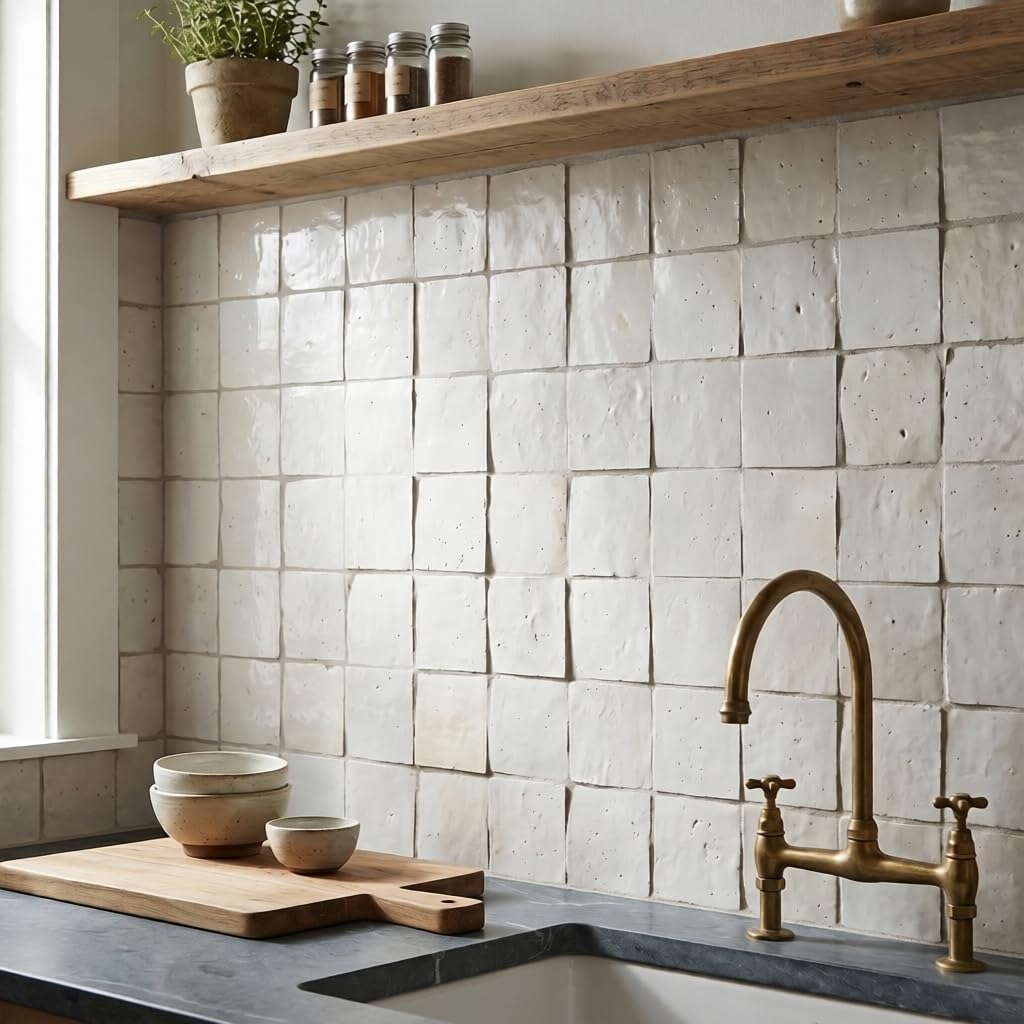
You’re standing in a tile showroom — or more likely scrolling a supplier’s website at midnight — and you’ve pulled up two backsplash options side by side. One is labeled “zellige” and priced at $38 per square foot. The other says “Moroccan-inspired ceramic” and costs $9. The product photos look nearly identical: irregular surfaces, earthy tones, that slightly wobbly grid that signals handmade character. So which one is actually zellige — and does it matter for your project?
Here’s the short answer: authentic zellige (pronounced zeh-leej) is a hand-cut terracotta tile coated in enamel glaze, fired in traditional kilns in Fez, Morocco, and shaped by craftsmen called maâlem — master artisans who train for years under a guild system. The “Moroccan-inspired” tile next to it is almost certainly a machine-pressed ceramic or porcelain body printed or glazed to mimic zellige’s visual texture. Both can be beautiful. But they are not the same product, they don’t perform the same way on your wall, and the gap between them matters enormously depending on what you’re specifying and for whom. This guide shows you how to read that gap clearly so you’re not making a $6,000 installation decision based on a thumbnail.
| EDITOR'S PICKMalta 2.5" x 8" Zellige Ceramic… | Mid-tier[SMART TILES Peel and Stick Back…](https://www.amazon.com/dp/B0BMB36Z1Z?tag=greenflower20-20) | Budget pick[Tenedos Ivory Glossy Porcelain…](https://www.amazon.com/dp/B0FWTJDB5H?tag=greenflower20-20) | |
|---|---|---|---|
| Material | Ceramic | Peel and Stick | Porcelain |
| Size | 2.5" x 8" | 9" x 9" | 4" x 4" |
| Coverage | 5.38 sq ft | — | — |
| Form | Tile (case) | Sheet | Single piece |
| Zellige look | — | — | ✓ |
| Adhesive | — | ✓ | — |
| Price | $65.99 | $29.43 | $12.00 |
| See on Amazon → | See on Amazon → | See on Amazon → |
What Actually Makes Zellige Zellige
The confusion is understandable because “zellige” has become a casualty of its own popularity. As Architectural Digest’s 2024 design guide “Everything You Need to Know Before Installing Zellige Tile” notes, the term is now routinely applied to anything with an undulating, handmade-looking glaze — which means it’s nearly meaningless as a product descriptor unless you know what to verify.
Real zellige starts as beldi clay — a specific red-firing terracotta sourced from deposits near Fez. That clay body gives authentic zellige its characteristic warmth and slight porosity. The tiles are hand-cut into geometric shapes after firing, which creates the irregular edges and varied thickness — typically 12–18mm — that cause light to catch differently across a tiled surface. The glaze is applied before a second firing and produces the depth and micro-variation in color that cannot be replicated with a printed or digitally-textured ceramic surface.
Smithsonian Magazine’s feature on North African craft traditions traces the zellige guild system to at least the 14th century — relevant to buyers not just as cultural context but as a quality signal: the maâlem system creates genuine scarcity. There are a finite number of workshops in Fez capable of producing tile at this standard, and that constraint is reflected in the price.
What zellige is not: A glazed ceramic tile with a bumpy texture. A porcelain body with a “handmade look” digital print. A machine-pressed tile with intentional thickness variation built into the mold. All of these exist in the market under zellige-adjacent branding, and all of them are legitimate products — just not zellige.
The Four Verification Tests You Can Run Before You Commit
1. Ask for the country of origin on the actual tile body, not the importer’s address
Authentic zellige will be manufactured in Morocco — specifically, Fez is the historic and current production center. If a supplier is vague (“crafted in the Moroccan tradition”), that’s a flag. Ask directly: where was this tile fired? If the answer is Spain, Italy, Portugal, or China, you have a ceramic inspired by zellige, not zellige itself. The Spruce’s editorial guide “How to Identify and Buy Authentic Moroccan Tile” makes the same point: country-of-origin documentation is the baseline, not the finish line.
2. Measure the thickness variation within a single tile
Pick up three tiles from the same box. Authentic zellige shows noticeable thickness variation — not just across the batch but within individual tiles, because hand-cutting and hand-pressing introduce real irregularity. Apartment Therapy’s 2025 piece “Zellige vs. Standard Ceramic: The Differences Interior Designers Want You to Know” notes that mass-produced lookalikes typically hold thickness variation to within 1–2mm even when the surface texture is intentionally uneven. Real zellige commonly varies 4–6mm across a single tile face. If you’re ordering samples (which you should), run a straightedge across them.
3. Look at the edge, not the face
This is the tell most buyers miss. On authentic zellige, the cut edge is slightly rough and shows the red-orange terracotta clay body beneath the glaze. The glaze does not wrap the edge — it sits on the face. On ceramic imitations, the body is typically white or gray, and the edge may show an attempt to simulate a terracotta color or may simply be left white. If you’re buying online, ask your supplier for a photo of the tile edge, not just the face. A supplier who can’t or won’t provide that image is telling you something.
4. Confirm the glaze is solid-color fired, not printed or digitally applied
Hold an authentic zellige tile at a raking angle under a directional light source. The color variation — subtle shifts from the center to the edge of the glaze pool — comes from the firing chemistry, not from a pattern applied on top. Printed ceramic tiles, even high-quality ones, show a more uniform color field with texture that looks slightly “mapped” rather than genuinely varied. Elle Decor’s 2025 interiors feature “The Zellige Tile Trend Is Here to Stay — Here’s How to Use It Right” specifically identifies this as the primary visual tell between the two categories at the showroom level.
Comparing Your Options: Budget, Mid-Tier, and Premium
Not every project calls for the same answer. Below is an honest breakdown of how each product category performs across the decisions that actually matter on a job site.
Budget Option: Machine-Pressed Ceramic or Porcelain Zellige-Look
Typical price range: $4–$10 per square foot. Standard installation rates apply. These tiles are manufactured at scale — usually in Spain, Italy, or China — with mold-pressed surface texture designed to suggest handmade variation. Thickness is consistent (within 1–2mm), grout lines are predictable, and waterproofing membrane integration is straightforward. PEI ratings are clearly documented. Color is applied via digital print or uniform glaze, so there is no batch variation to manage.
Where it earns its place: rental properties, large commercial runs over 200 square feet where hand-variation would read as chaos, and any project where the replacement cycle matters more than provenance. The Spruce’s guide on authentic Moroccan tile puts it plainly — a well-chosen ceramic specified honestly is a better professional outcome than authentic zellige installed under budget pressure.
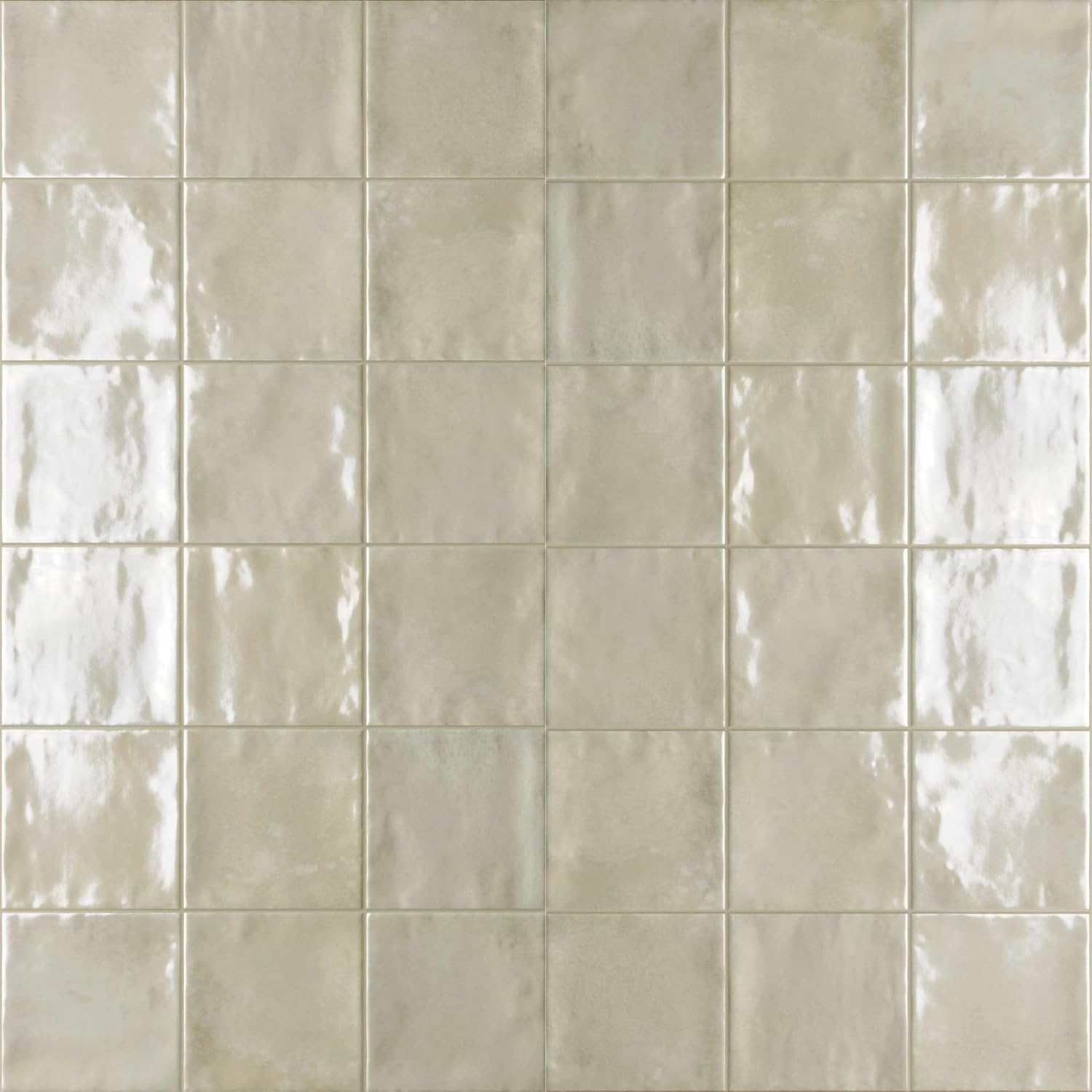
Tenedos
$12.00
In stock on Amazon
Check price on AmazonMid-Tier Option: Machine-Cut Moroccan Ceramic (Not Zellige)
Typical price range: $12–$22 per square foot. Moderate installation premium — less irregular than true zellige but more demanding than fully uniform tile. These tiles are often genuinely made in Morocco but are not zellige: they use a different clay body, machine-cutting, and a glaze process that produces less depth and variation than authentic beldi-clay zellige. They offer a legitimate middle path — real Moroccan manufacture, lower logistics complexity than true zellige, and a visual character closer to the source material than a European or Asian ceramic imitation.
Where it earns its place: mid-range hospitality projects, residential clients who want Moroccan provenance without the full zellige price, and installations where consistent thickness is required by the waterproofing specification but the all-ceramic look is too flat. Confirm country of origin on the tile body itself, not the importer’s address.
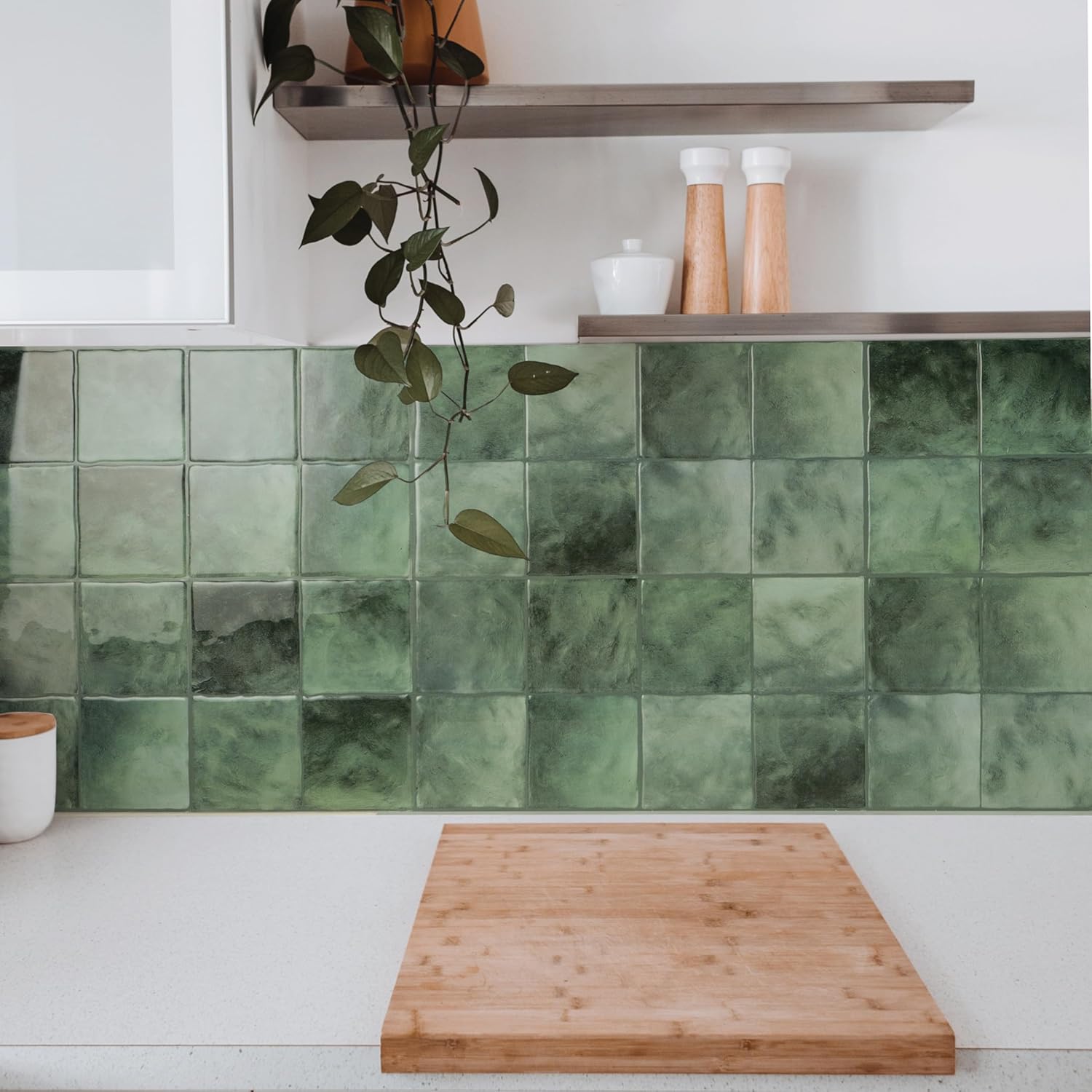
SMART
$29.43
In stock on Amazon
Check price on AmazonPremium Option: Authentic Fez-Fired Zellige
Typical price range: $28–$55 per square foot for tile alone. Installation adds 30–50% above standard tile rates, because irregular edges and thickness variation require more adhesive, more per-tile adjustment, and substantially more labor time. Apartment Therapy’s 2025 comparison piece puts the installed cost of authentic zellige at roughly 2.5–3× the cost of a comparable ceramic lookalike when labor is factored in. That figure tracks with what specialty tile contractors in major US markets are quoting as of mid-2026.
Where it earns its place: permanent, high-visibility installations — kitchen backsplashes, bathroom feature walls, fireplace surrounds — where material depth and provenance are part of the value proposition. Boutique hospitality clients whose brand narrative includes artisan sourcing. Custom color blends in traditional colorways — cobalt, celadon, deep ochre, ivory — that read differently in natural light than any ceramic equivalent. Projects where the client’s budget can absorb $80–$150 per square foot installed without distorting overall scope.
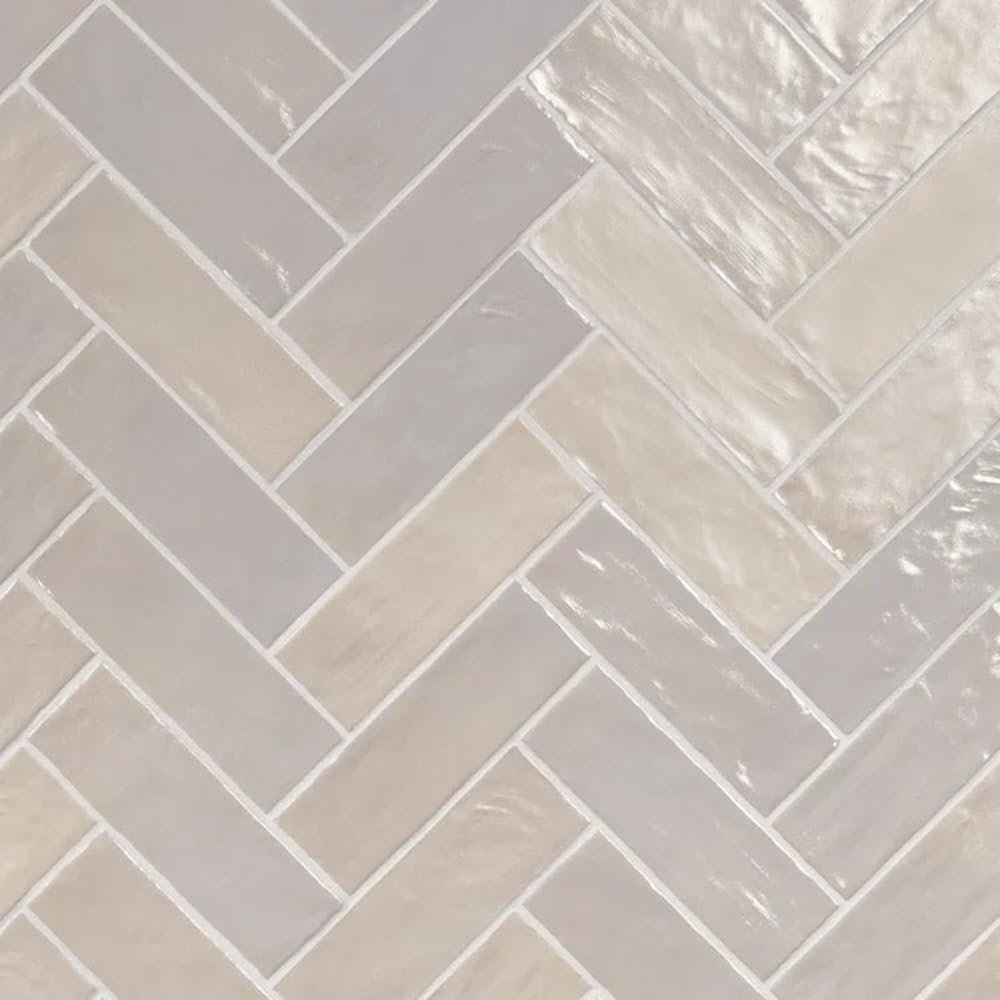
Malta
$65.99
In stock on Amazon
Check price on AmazonThe Price Reality: Side-by-Side
| Product Type | Typical Price/Sq Ft (2026 US) | Installation Premium | Tier |
|---|---|---|---|
| Authentic Fez-fired zellige | $28–$55 | +30–50% over standard | Malta — $65.99 |
| Machine-cut Moroccan ceramic (not zellige) | $12–$22 | Moderate | SMART — $29.43 |
| High-quality ceramic zellige-look | $8–$18 | Standard rates | SMART — $29.43 |
| Machine-pressed porcelain “handmade look” | $4–$10 | Standard rates | Tenedos — $12.00 |
Sourcing Authentic Zellige: Due Diligence in Practice
If you’ve decided authentic zellige is right for the project, here’s what verification looks like before you commit volume.
Request a signed certificate of origin from any supplier claiming Moroccan zellige. Established importers will provide this without friction. If a supplier treats the request as unusual, that’s diagnostic information.
Order a minimum 3-tile sample set before committing to volume. Zellige color batches vary by firing, and what reads as “cobalt” in one shipment may be noticeably cooler or warmer in the next. This is not a defect — it’s inherent to the process — but you need to see it before your client does.
Clarify lead content status explicitly. Traditional Moroccan enamel glazes historically contained lead compounds, and some smaller workshops may still use formulations that do not meet US EPA standards for residential installation. Elle Decor’s 2025 feature “The Zellige Tile Trend Is Here to Stay — Here’s How to Use It Right” notes that reputable exporters targeting the US market now produce certified lead-free product lines, but you should see the documentation rather than accept a verbal assurance.
Build a 15–20% overage into your order. Zellige arrives with natural breakage and batch variation. Unlike ceramic tile, you cannot reliably reorder a matching batch six months later if you come up short. Order long on the front end.
Confirm grout joint width with your installer before ordering. Because tile edges are irregular, authentic zellige typically requires wider grout joints — 3/8 to 1/2 inch is common — than the 1/16-inch joints possible with rectified ceramic. That affects both the visual result and the grout material specification.
The Decision Rule
Authentic zellige earns its premium in permanent, visible, design-forward installations where the material’s depth and provenance contribute to the room’s long-term value — and where the client’s budget can absorb the full installed cost without strain. In every other scenario, a quality ceramic lookalike specified honestly and installed correctly is a better professional outcome than authentic zellige specified under budget pressure and set badly.
The burn in this category almost never comes from choosing the wrong material. It comes from misrepresenting one as the other — to yourself, to your installer, or to your client. As Architectural Digest’s 2024 zellige guide makes clear, the terminology around this category is loose enough that a supplier can call almost anything “zellige” without technically lying. The four verification tests above are how you close that gap. Know what you’re buying, name it accurately, and the rest of the decision is just math.